
Director
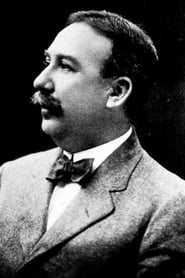
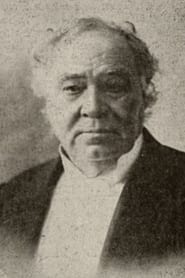
Edwin S. Porter
April 21, 1870 · Connellsville, Pennsylvania, USA
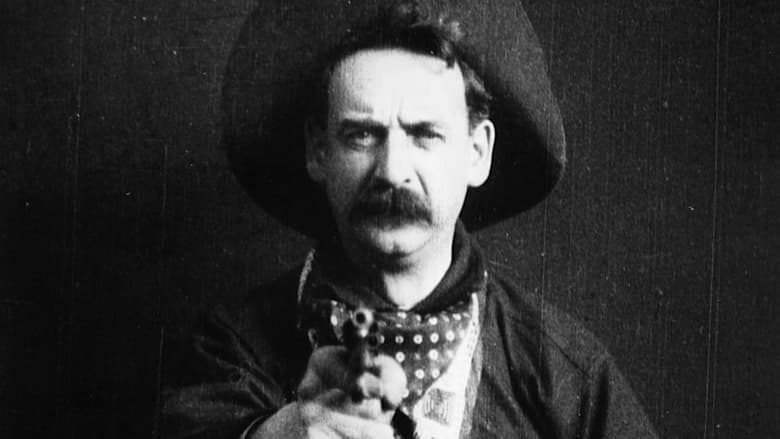
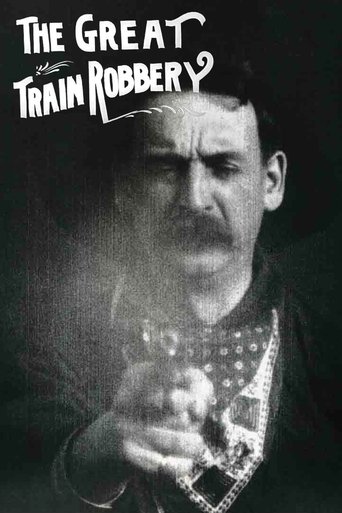
Edwin Stanton Porter was an American film pioneer, most famous as a producer, director, studio manager and cinematographer with the Edison Manufacturing Company and the Famous Players Film Company. Influenced by both the "Brighton school" and the story films of Georges Méliès, Porter went on to make important shorts such as Life of an American Fireman (1903) and The Great Train Robbery (1903). In them, he helped to develop the modern concept of continuity editing, paving the way for D.W. Griffith who would expand on Porter's discovery that the unit of film structure was the shot rather than the scene. Porter, in an attempt to resist the new industrial system born out of the popularity of nickelodeons, left Edison in 1909 to form his own production company which he eventually sold in 1912.
Porter remains an enigmatic figure in motion picture history. Though his significance as director of The Great Train Robbery and other innovative early films is undeniable, he rarely repeated an innovation after he had used it successfully, never developed a consistent directorial style, and in later years never protested when others rediscovered his techniques and claimed them as their own. He was a modest, quiet, cautious man who felt uncomfortable working with the famous stars he directed starting in 1912.
Notable work
Often works with
Full filmography · 132
The Prince and the Pauper
Director
1915
Bella Donna
Director
1915
Zaza
Director
1915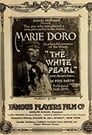
The White Pearl
Director
1915
The Eternal City
Director
1915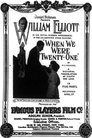
When We Were Twenty-One
Director
1915
Niobe
Director
1915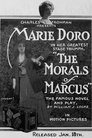
The Morals of Marcus
Director
1915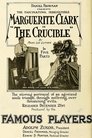
The Crucible
Director and Writer
1914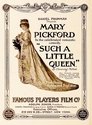
Such a Little Queen
Director
1914
Tess of the Storm Country
Director
1914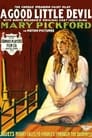
A Good Little Devil
Director
1914